Introduction
The Samsung Galaxy S8 was one of the most important Android smartphones ever released. When Samsung launched the Galaxy S8 in 2017, its Infinity Display design and curved AMOLED screen helped redefine modern smartphone design.
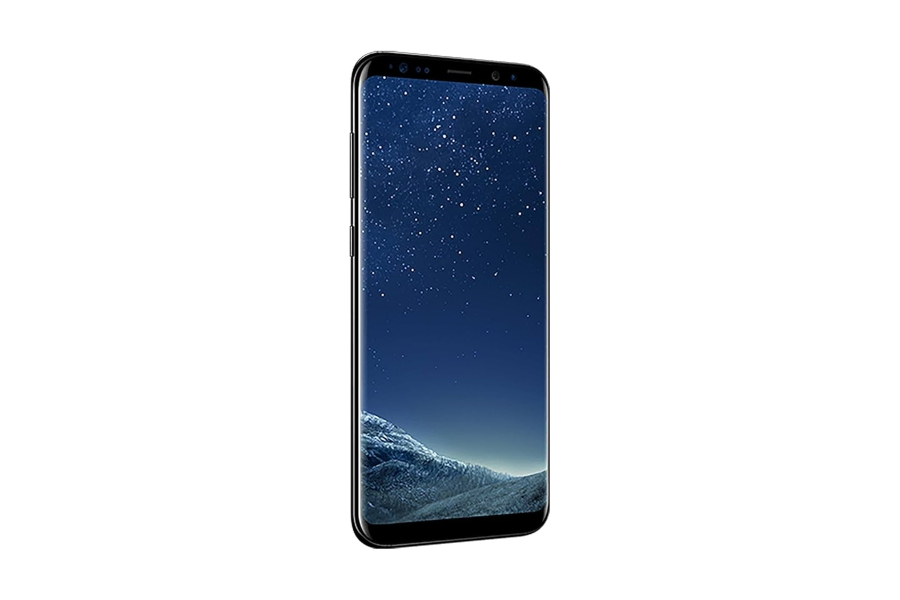
Even today, the Galaxy S8 still looks surprisingly premium. The slim bezels, curved edges, and vibrant OLED display have aged much better than many smartphones from the same generation.
However, in 2026, we no longer recommend buying the Galaxy S8.
Quick Verdict
No, we do not recommend buying the Samsung Galaxy S8 in 2026.
While the phone still looks modern and can handle basic tasks, the lack of software support is a major problem. Samsung ended support for the Galaxy S8 years ago, meaning the device no longer receives Android updates or security patches.
The Galaxy S8 is also becoming difficult to find in certified used and refurbished condition. Most remaining devices are now very old, and battery aging is another major concern.
For most buyers, spending slightly more on a newer Samsung device makes much more sense.
We recommend the Galaxy S23 FE, starting around $150+. It delivers a massive upgrade in performance, battery life, cameras, and long-term software support while still offering excellent value in 2026.
Galaxy S8 in 2026
Price and Availability
In 2026, one of the biggest problems with buying a Samsung Galaxy S8 is availability.
Because the Galaxy S8 is now an older phone, it is difficult to find reliable certified used or refurbished inventory. Most remaining units are sold through third-party marketplaces, and the condition can vary a lot from seller to seller.
Even if you find one at a very low price, the value is not strong anymore. The phone is no longer supported by Samsung, and many units may have battery aging, screen burn-in, or general wear from years of use.
Most Galaxy S8 devices available today are nearly 9 years old, which makes long-term reliability a major concern.
Software Support — Ended in 2021
Software support is the biggest reason we do not recommend buying the Galaxy S8 in 2026.
Samsung has already ended support for the Galaxy S8. That means the phone no longer receives Android OS upgrades or security updates.
This matters because security updates help protect your phone from newly discovered vulnerabilities. Without them, the Galaxy S8 becomes less secure over time, especially if you use it for banking, shopping, email, or work-related apps.
App compatibility can also become a problem. While many apps may still work today, some newer apps may eventually stop supporting older Android versions.
As Android continues to evolve, the Galaxy S8 will become increasingly outdated and less compatible with modern applications and services.
Performance and Hardware
The Galaxy S8 was a flagship phone when it launched, but its hardware is now clearly outdated.
It was powered by the Snapdragon 835 or Exynos 8895, depending on the region. These chips were excellent in 2017, but they are much slower than modern Samsung processors in 2026.
For basic tasks like calling, texting, web browsing, email, and YouTube, the Galaxy S8 may still work. However, it will likely feel slower when opening apps, switching between apps, or running newer mobile games.
The Galaxy S8 also lacks many modern features that buyers expect today, including 5G connectivity, high refresh rate display, improved AI photo processing, and better battery efficiency.
Overall, the Galaxy S8 can still function as a basic phone, but it no longer delivers a smooth flagship experience in 2026.
Display
The display is one area where the Galaxy S8 still holds up reasonably well.
Its 5.8-inch Super AMOLED display was one of the best smartphone screens of its time. It still offers sharp resolution, deep blacks, and vibrant colors.
The curved Infinity Display design also still looks premium, even by today’s standards.
However, newer smartphones now offer brighter displays, smoother scrolling, and higher refresh rates that make everyday use feel much more fluid.
While the Galaxy S8 display is still respectable, it no longer feels cutting-edge in 2026.
Camera
The Galaxy S8 has a 12MP rear camera, and it can still take decent photos in good lighting.
For simple daytime photos, social media posts, or quick snapshots, the camera may still be usable. However, smartphone camera technology has improved significantly since the Galaxy S8 was released.
In 2026, the Galaxy S8 struggles with low-light photography, night shots, zoom, portrait photos, and video stabilization. It also lacks the advanced image processing found in newer smartphones.
The single-camera setup also feels limited compared with modern phones that offer multiple lenses and improved computational photography.
If camera quality is important to you, the Galaxy S8 will likely feel outdated.
Battery
Battery life is another major concern for the Galaxy S8 in 2026.
Even if the phone still works, most Galaxy S8 units are many years old. That means the battery has likely degraded significantly.
Common issues may include shorter battery life, slower charging, unexpected shutdowns, or overheating. A battery replacement may help, but it is usually difficult to justify spending extra money on a phone this old.
Battery aging alone can heavily impact the overall user experience, especially for users who rely on their phone throughout the day.
In real-world daily use, the Galaxy S8 simply no longer offers the reliability most users expect from a modern smartphone.
Better Alternative — Galaxy S8 vs Galaxy S23 FE
If you are considering buying a Galaxy S8 in 2026, we strongly recommend looking at the Samsung Galaxy S23 FE instead.
While the Galaxy S8 was an excellent flagship phone in its time, the Galaxy S23 FE is dramatically newer in almost every area. It offers much faster performance, better cameras, longer battery life, 5G connectivity, and years of remaining software support.
Most importantly, the Galaxy S23 FE is still officially supported by Samsung, making it a much safer long-term purchase.
Galaxy S8 vs Galaxy S23 FE Specs Comparison
| Category |
Galaxy S8 |
Galaxy S23 FE |
| Release Year |
2017 |
2023 |
| Processor |
Snapdragon 835 / Exynos 8895 |
Snapdragon 8 Gen 1 / Exynos 2200 |
| RAM |
4GB |
8GB |
| Storage |
64GB |
128GB / 256GB |
| Display |
5.8-inch AMOLED |
6.4-inch Dynamic AMOLED 2X |
| Refresh Rate |
60Hz |
120Hz |
| Rear Cameras |
12MP |
50MP + 12MP + 8MP |
| Front Camera |
8MP |
10MP |
| Battery |
3,000mAh |
4,500mAh |
| 5G Support |
No |
Yes |
| Software Support |
Ended |
Supported Until 2028 |
Key Differences
Software Support
The biggest difference between these two phones is software support.
The Galaxy S8 no longer receives Android OS upgrades or security updates. In contrast, the Galaxy S23 FE is still expected to receive Android OS upgrades until 2027 and security updates until 2028.
This makes the Galaxy S23 FE a much safer long-term purchase for app compatibility, security, and everyday reliability.
Performance and Speed
Performance is also on a completely different level.
The Galaxy S23 FE is dramatically faster for gaming, multitasking, video editing, and everyday use. Apps load faster, animations feel smoother, and the overall experience is far more modern compared to the aging Galaxy S8 hardware.
The Galaxy S8 can still handle basic tasks, but it no longer feels like a flagship phone in 2026.
Display Experience
While the Galaxy S8 still has a respectable AMOLED display, the Galaxy S23 FE delivers a noticeably better viewing experience.
The Galaxy S23 FE features a larger display with a 120Hz refresh rate, making scrolling, gaming, and animations feel much smoother.
Brightness and outdoor visibility are also significantly improved on the newer device.
Camera Quality
Camera technology has improved dramatically since the Galaxy S8 launched in 2017.
The Galaxy S23 FE offers a much more advanced camera system with better low-light photography, stronger video stabilization, improved zoom capability, and modern AI image processing.
The Galaxy S8 camera can still take decent daytime photos, but it struggles in many situations compared with modern Samsung phones.
Battery Life and Efficiency
Battery life is another major advantage for the Galaxy S23 FE.
The newer processor and larger battery provide much better efficiency and reliability for daily use. Meanwhile, most Galaxy S8 units are now many years old, meaning battery degradation is a major concern.
For heavy daily users, the difference in battery performance is very noticeable.
Recent Price Drop Makes S23 FE an Even Better Deal
One of the biggest reasons we recommend the Galaxy S23 FE in 2026 is its recent price drop.
Certified used and refurbished Galaxy S23 FE models now start at around $150+, making them one of the best Samsung deals currently available.
For comparison, the regular Galaxy S23 still starts closer to $190+ in certified used/refurbished condition.
That relatively small price difference makes the Galaxy S23 FE an especially attractive option for buyers who want modern Samsung features, long software support, and strong overall value without spending too much.
Conclusion — Is Galaxy S8 Worth Buying in 2026?
No, we do not recommend buying the Samsung Galaxy S8 in 2026.
While the Galaxy S8 was one of Samsung’s most iconic smartphones, it is simply too old to recommend as a long-term daily phone today.
The biggest issue is software support. Samsung officially ended support for the Galaxy S8 years ago, meaning the phone no longer receives Android OS upgrades or security updates. Over time, this creates increasing concerns around security, app compatibility, and overall reliability.
Availability is another problem. Certified used and refurbished Galaxy S8 inventory has become increasingly difficult to find, and most remaining devices are now heavily aged with potential battery degradation and wear.
For most buyers, it makes far more sense to spend slightly more on a newer Samsung phone with years of remaining software support.
We recommend the Galaxy S23 FE, which recently dropped to around $150+ in certified used/refurbished condition. It delivers a huge upgrade in performance, cameras, battery life, display quality, and software support, making it one of the best Samsung value options in 2026.
FAQ
How old is the Samsung Galaxy S8 in 2026?
The Samsung Galaxy S8 was released in 2017, making it around 9 years old in 2026.
Does the Galaxy S8 still get software updates?
No. Samsung officially ended software and security support for the Galaxy S8 years ago.
Can the Galaxy S8 still run apps in 2026?
Yes, many apps may still work, but compatibility problems will continue increasing over time because the Galaxy S8 no longer receives Android updates.
Is the Galaxy S8 good for gaming in 2026?
Not really. The Galaxy S8 can still handle lighter games, but modern mobile games are much more demanding and may struggle on the older hardware.
Why is the Galaxy S8 difficult to find refurbished?
Because the Galaxy S8 is now a very old device, certified used and refurbished inventory has become limited. Many remaining units are heavily used or sold through third-party marketplaces.
What is a better alternative to the Galaxy S8?
We recommend the Samsung Galaxy S23 FE. It offers much better performance, longer software support, stronger cameras, and better battery life while still being affordable in certified used/refurbished condition.

 Sale
Sale