Is iPhone 11 Pro Still Worth Buying in 2026
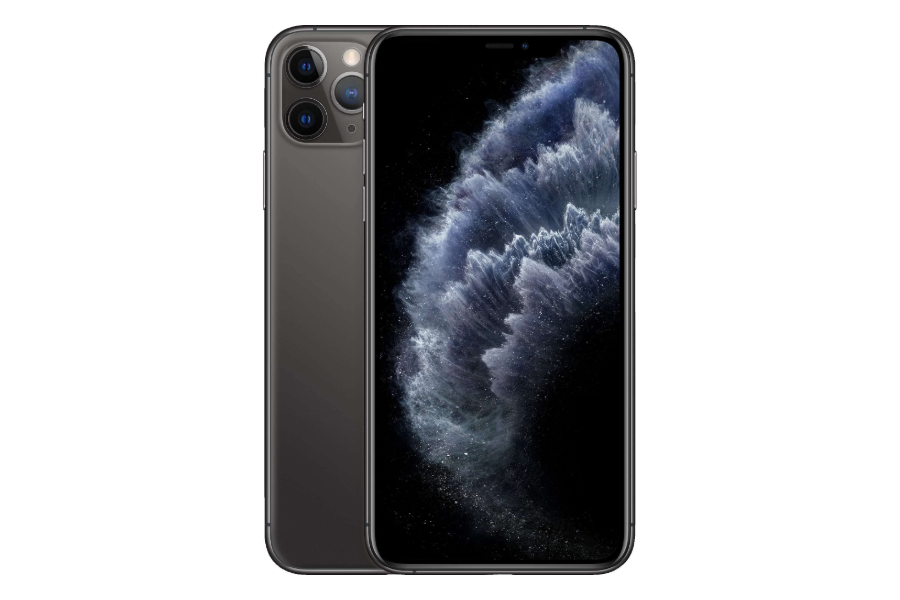
Introduction — The Cheapest iPhone Pro That Still Supports iOS 26
In 2026, the iPhone 11 Pro sits in a very interesting position.
According to the UpTrade Price Tracker, Certified Used / Refurbished iPhone 11 Pro models now start at $180+. At that price, it becomes the lowest-priced iPhone Pro model that still supports iOS 26—the latest iOS version in 2026.
That’s important.
Because once a Pro model loses major iOS support, its long-term value drops quickly. But the iPhone 11 Pro is still inside Apple’s active upgrade cycle. It supports iOS 26, continues receiving security updates, and remains fully compatible with modern apps.
For under $200, you get:
- A premium stainless steel Pro design
- A Super Retina XDR OLED display
- A triple-camera system with Telephoto lens
- Strong A13 Bionic performance
- Full iOS 26 support
That sounds like a great deal.
But there’s a catch — it does not support 5G, and it may be approaching the end of its major iOS upgrade runway.
So the real question is:
Is the iPhone 11 Pro still a smart buy in 2026 — or should you stretch your budget to the iPhone 12 Pro at $220+ for better long-term value?
Let’s break it down.
TL;DR — Quick Verdict
✅ Yes, the iPhone 11 Pro is still a good deal at $180+. It’s the cheapest iPhone Pro that still supports iOS 26, and it delivers true flagship features at a sub-$200 price point.
However:
- ⚠️ It does not support 5G
- ⚠️ It may be nearing the end of its major iOS update cycle
If your budget is tight and you want Pro-level cameras and build quality for under $200, the iPhone 11 Pro is a solid value.
But if you can stretch your budget by about $40…
💡 The iPhone 12 Pro (starting at $220+) is the smarter long-term choice thanks to 5G support, a newer A14 chip, and a longer expected iOS runway.
Next, let’s look at how the iPhone 11 Pro actually performs in 2026 — and whether it still holds up in real-world use.
iPhone 11 Pro in 2026: Performance, Software & Longevity
Released in 2019, the iPhone 11 Pro is now 7 years old in 2026 — but surprisingly, it still holds up well for most users.
At $180+, it delivers true flagship hardware at a mid-range price. The key question isn’t whether it works — it does. The real question is how long it will continue to remain relevant.
Let’s break it down.
🔹 Performance in 2026 — A13 Bionic Still Holds Up
The iPhone 11 Pro runs on Apple’s A13 Bionic chip, which was the fastest smartphone processor when it launched.
Even in 2026, the A13 remains capable of handling:
- Web browsing
- Social media apps
- Streaming
- Messaging and email
- Casual gaming
- Light multitasking
Compared to newer chips like the A14 and A15, the A13 is less efficient and has less AI headroom — but for everyday usage, it still feels smooth.
Unless you are a heavy gamer or planning to keep your phone for 3–4 more years, performance is not the iPhone 11 Pro’s main weakness in 2026.
🔹 Camera in 2026 — Still a True Pro System
One of the biggest reasons to consider the iPhone 11 Pro in 2026 is its triple-camera setup.
At $180+, it is the cheapest iPhone Pro model that still gives you a Telephoto lens.
The camera system includes:
- 12MP Wide
- 12MP Ultra-Wide
- 12MP Telephoto
This allows:
- 2x optical zoom
- Portrait shots with better depth compression
- Ultra-wide landscape photography
- Night Mode support
- 4K video recording at 60fps
In real-world use, the iPhone 11 Pro still takes excellent photos in daylight and solid low-light shots thanks to Night Mode.
Where it falls behind newer Pro models:
- No sensor-shift stabilization
- No Cinematic Mode
- No ProRAW or advanced computational photography
- Older Smart HDR generation
However, at under $200, this is still one of the best camera systems available in that price range.
If your priority is getting triple cameras at the lowest possible price while still staying on iOS 26 — the iPhone 11 Pro is hard to beat.
🔹 Screen Quality in 2026 — OLED Still Looks Premium
The iPhone 11 Pro features a 5.8-inch Super Retina XDR OLED display.
Even in 2026, this screen holds up very well:
- Deep blacks
- Strong contrast
- HDR support
- Excellent color accuracy
- 800 nits typical brightness (1200 nits HDR)
Compared to LCD models like iPhone 11 or XR, the OLED panel on the 11 Pro still looks noticeably better.
The only modern limitations:
- 60Hz refresh rate (no ProMotion)
- Slightly smaller screen compared to 6.1-inch newer models
But for users who prefer compact devices, the 5.8-inch size actually feels more comfortable in hand.
At $180+, getting a stainless steel body paired with an OLED display is still a strong value proposition in 2026.
🔹 Software Support — Still on iOS 26
The biggest reason the iPhone 11 Pro remains relevant in 2026 is simple:
✅ It supports iOS 26.
That means:
- Full compatibility with modern apps
- Ongoing security updates
- Access to current iOS features
- Strong integration with Apple services
However, because it launched in 2019, the iPhone 11 Pro may be approaching the end of its major iOS update cycle.
There is a realistic possibility that iOS 26 or iOS 27 could be its final major upgrade before transitioning to security-only updates.
For buyers planning to upgrade again within 1–2 years, this is not a major concern.
For buyers planning to keep their phone until 2029 or beyond, this shorter runway matters.
🔹 Longevity — The 5G Limitation
The most noticeable limitation of the iPhone 11 Pro in 2026 is:
❌ No 5G support.
It is limited to 4G LTE.
While 4G still works fine in 2026, carriers continue prioritizing 5G infrastructure. Over time, phones without 5G will age faster in terms of network compatibility and resale value.
This is the biggest structural weakness of the iPhone 11 Pro compared to the iPhone 12 Pro.
Pros and Cons of iPhone 11 Pro in 2026
At $180+, the iPhone 11 Pro offers premium features at a mid-range price. But like any 7-year-old device, it comes with trade-offs.
Let’s break it down clearly.
✅ Pros — Why the iPhone 11 Pro Is Still a Good Buy
1️⃣ Cheapest iPhone Pro That Supports iOS 26
The biggest advantage in 2026. At $180+, it’s the most affordable iPhone Pro model still inside Apple’s current iOS upgrade cycle.
You get:
- Full iOS 26 support
- Modern app compatibility
- Ongoing security updates
For Pro-level hardware under $200, that’s strong value.
2️⃣ Triple-Camera System (With Telephoto)
Unlike base models like iPhone 11 or iPhone XR, the 11 Pro includes:
- Wide lens
- Ultra-Wide lens
- Telephoto lens (2x optical zoom)
Even in 2026, that’s rare at this price point.
If you care about portrait photography, optical zoom, or more flexible shooting options, the 11 Pro still delivers.
3️⃣ Super Retina XDR OLED Display
The 5.8-inch OLED panel still looks excellent:
- Deep blacks
- Strong contrast
- HDR support
- Premium brightness
Compared to LCD models in the same price range, the display quality still feels high-end.
4️⃣ Premium Stainless Steel Build
Unlike newer base iPhones with aluminum frames, the 11 Pro features:
- Stainless steel body
- Matte textured glass back
It still feels like a flagship device in hand.
5️⃣ Strong A13 Performance
The A13 Bionic remains capable for:
- Social media
- Streaming
- Web browsing
- Casual gaming
- Multitasking
It doesn’t feel slow for everyday usage in 2026.
❌ Cons — Where the iPhone 11 Pro Shows Its Age
1️⃣ No 5G Support
This is the biggest limitation.
The iPhone 11 Pro is limited to 4G LTE. In 2026, 5G is increasingly standard.
While 4G still works fine today, long-term network longevity favors 5G devices like the iPhone 12 Pro.
2️⃣ Nearing the End of Major iOS Updates
It supports iOS 26 — which is great.
But because it launched in 2019, it may soon reach the end of major version upgrades.
If iOS 27 excludes it (expected September 2026), it would transition to security-only updates.
That shortens its long-term runway.
3️⃣ Older Chip Compared to A14 and A15
The A13 is still capable, but:
- Less efficient
- Less AI headroom
- Less future-proof
For heavy users planning 3+ more years of use, newer chips age better.
4️⃣ Smaller 5.8-Inch Display
While some people prefer compact phones, modern standards have shifted to 6.1-inch screens.
If you watch a lot of videos or game frequently, the smaller display may feel cramped.
5️⃣ Battery Health Variability
Since the device is 7 years old:
- Many refurbished units may have worn batteries
- Battery replacement history matters
- Always check battery health if possible
Certified refurbished units are definitely safer than “as-is” used devices.
iPhone 11 Pro vs iPhone 12 Pro in 2026
If you're shopping in the $180–$220 range in 2026, the real decision isn’t whether the iPhone 11 Pro is good. The real question is whether spending about $40 more for the iPhone 12 Pro makes sense.
According to the UpTrade Price Tracker:
- Certified Used / Refurbished iPhone 11 Pro starts at $180+
- Certified Used / Refurbished iPhone 12 Pro starts at $220+
When prices get this close, software longevity and future-proofing matter more than ever.
Specs Comparison — iPhone 11 Pro vs iPhone 12 Pro
| Feature | iPhone 11 Pro | iPhone 12 Pro |
|---|---|---|
| Release Year | 2019 | 2020 |
| Chipset | A13 Bionic | A14 Bionic |
| RAM | 4GB | 6GB |
| Display | 5.8-inch Super Retina XDR OLED | 6.1-inch Super Retina XDR OLED |
| Design | Rounded edges | Flat-edge modern design |
| Rear Camera | Triple 12MP (Wide, Ultra-Wide, Telephoto) | Triple 12MP + LiDAR |
| Night Mode | Yes | Improved Night Mode |
| Video | 4K 60fps | 4K Dolby Vision HDR |
| 5G Support | ❌ No (4G LTE only) | ✅ Yes |
| MagSafe | ❌ No | ✅ Yes |
| Build | Stainless steel | Stainless steel |
| Water Resistance | IP68 (4m) | IP68 (6m) |
| iOS 26 Support (2026) | ✅ Yes | ✅ Yes |
| Long-Term iOS Outlook | Nearing end | Longer runway |
| Starting Price (2026) | $180+ | $220+ |
Key Differences That Matter in 2026
1️⃣ 5G Connectivity — The Biggest Upgrade
This is the most important structural difference.
- iPhone 11 Pro: Limited to 4G LTE
- iPhone 12 Pro: Full 5G support
In 2026, 5G isn’t just about speed — it’s about network longevity. Carriers continue expanding 5G infrastructure, and phones without it will age faster.
If you plan to keep your phone beyond 2027, 5G matters.
✅ Winner: iPhone 12 Pro
2️⃣ A13 vs A14 + More RAM
The iPhone 12 Pro uses:
- A14 Bionic (5nm process)
- 6GB RAM (vs 4GB in 11 Pro)
That means:
- Better efficiency
- Stronger multitasking
- More AI headroom
- Better long-term performance
The A13 is still good — but the A14 + 6GB RAM combination is noticeably more future-proof.
✅ Winner: iPhone 12 Pro
3️⃣ Display Size & Design
- 11 Pro: 5.8-inch OLED
- 12 Pro: 6.1-inch OLED
The 12 Pro gives you:
- Larger screen
- Thinner bezels
- Modern flat-edge design
The 11 Pro feels slightly more compact and comfortable in hand.
This comes down to preference.
📱 Prefer compact? → 11 Pro
📱 Prefer modern + larger screen? → 12 Pro
4️⃣ Camera Improvements
Both phones have triple cameras.
But the 12 Pro adds:
- LiDAR scanner (better low-light focus & AR)
- Dolby Vision HDR video
- Slightly improved computational photography
For casual users, the difference is small.
For camera enthusiasts, the 12 Pro has the edge.
✅ Slight edge: iPhone 12 Pro
5️⃣ iOS Longevity
Both support iOS 26 in 2026.
However:
- iPhone 11 Pro (2019 model) may be excluded from iOS 27.
- iPhone 12 Pro (2020 model) has a higher probability of receiving iOS 27 and beyond.
That could mean 1–2 additional years of full feature support.
In long-term value calculations, that matters.
✅ Winner: iPhone 12 Pro
Conclusion — Is iPhone 11 Pro Still Worth Buying in 2026?
At $180+, the Certified Used / Refurbished iPhone 11 Pro remains a surprisingly strong value in 2026.
It is the cheapest iPhone Pro model that still supports iOS 26, which makes it an attractive option for buyers who want:
- Triple cameras (including Telephoto)
- A premium stainless steel build
- OLED display quality
- Full app compatibility
- Sub-$200 pricing
For short-term use (1–2 years), the iPhone 11 Pro is absolutely a good deal.
However, it lacks 5G and may be approaching the end of its major iOS upgrade runway.
If you can stretch your budget to $220+, the iPhone 12 Pro is the smarter long-term investment. For about $40 more, you get:
- 5G support
- A newer A14 chip
- 6GB RAM
- MagSafe
- A longer expected iOS runway
Final Recommendation:
💰 Under $200 → iPhone 11 Pro is a solid value.
💡 If budget allows → iPhone 12 Pro is the better future-proof choice.
Use UpTrade to compare Certified Used and Refurbished prices across trusted sellers to find the best deal.
FAQ — Buying iPhone 11 Pro in 2026
1. Does the iPhone 11 Pro support iOS 26?
Yes. The iPhone 11 Pro fully supports iOS 26 in 2026 and continues to receive security updates.
2. How long will the iPhone 11 Pro be supported?
While Apple does not publish official end dates, the iPhone 11 Pro (released in 2019) may be nearing the end of major iOS upgrades. iOS 26 (2026) or iOS 27 (2027) could be its final major update before transitioning to security-only updates.
3. Is the iPhone 11 Pro outdated in 2026?
No, it is not outdated yet. It still supports the latest iOS (iOS 26) and runs modern apps smoothly. However, it lacks 5G and may have a shorter remaining iOS runway compared to newer models.
4. Does the iPhone 11 Pro support 5G?
No. The iPhone 11 Pro is limited to 4G LTE. If long-term network compatibility is important to you, consider the iPhone 12 Pro.
5. Is iPhone 12 Pro worth the extra $40?
In most cases, yes. The iPhone 12 Pro adds 5G, a newer A14 chip, more RAM, MagSafe, and a longer expected iOS lifespan. For long-term use, it is the better investment.
6. What is the cheapest iPhone Pro that supports iOS 26?
In 2026, the iPhone 11 Pro is the lowest-priced iPhone Pro model that supports iOS 26, starting at around $180+ for Certified Used / Refurbished units.
7. Is iPhone 11 Pro better than iPhone 11?
Yes. The iPhone 11 Pro includes a triple-camera system (with Telephoto lens), an OLED display, and a stainless steel build. It is a more premium device than the standard iPhone 11.
8. How much does the iPhone 11 Pro cost in 2026?
According to the UpTrade Price Tracker, Certified Used / Refurbished iPhone 11 Pro models start at approximately $180+ in 2026.