Introduction — Is iPhone 7 Plus Still Worth It in 2026?
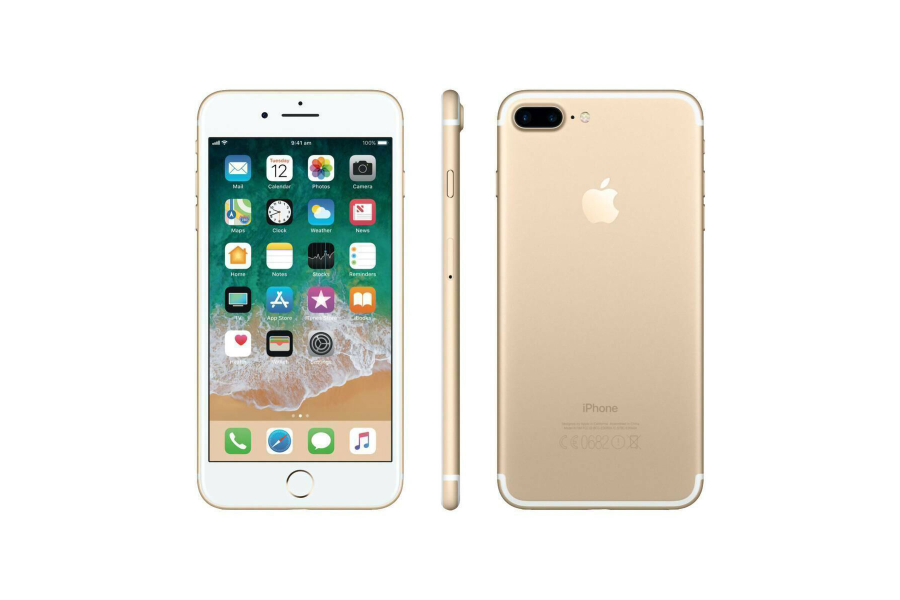
The iPhone 7 Plus may look like an attractive budget option in 2026, especially when you can find units for around $100 on platforms like Craigslist or Facebook Marketplace.
But here’s the reality.
There is no inventory for Certified Used / Refurbished iPhone 7 Plus from trusted sellers. That alone is a major red flag. When a device disappears from certified channels, it usually means it’s too old to meet reliability, performance, and support standards.
On top of that, most available units come from individual sellers, which introduces additional risks:
- No warranty or return policy
- Unknown battery health
- Potential issues like carrier locks or hidden defects
At first glance, the iPhone 7 Plus looks like a cheap way to get an iPhone.
But in 2026, the real question isn’t how cheap it is — it’s whether it’s still usable, safe, and worth your money.
Quick Verdict — Not Recommended in 2026
The iPhone 7 Plus is not worth buying in 2026 — even at $100.
While it was once a great device, it is now severely outdated in every area that matters:
- ❌ Limited to iOS 15 (multiple generations behind)
- ❌ No longer receives meaningful updates
- ❌ Struggles with modern apps and performance demands
- ❌ Only available through unverified sellers
This combination makes it both a poor investment and a risky purchase.
More importantly, there are far better options available today for just a little more money.
For around $130–$160+, you can get:
- A Certified Used / Refurbished iPhone SE (3rd Gen)
- Or a Certified Used / Refurbished iPhone 12 Mini
😝 Fun Fact: iPhone 12 Mini (5.4-inch OLED) is about the same size as iPhone 7 Plus (5.5-inch LCD).
Both options:
- Support iOS 26
- Are expected to support iOS 27
- Include 5G connectivity
- Offer dramatically better performance and longevity
👉 Bottom line:
- Avoid the iPhone 7 Plus in 2026
- Spend slightly more to get a device that is modern, supported, and reliable
In this case, saving money upfront will likely cost you more in the long run.
Why It’s So Cheap — And Why That’s a Problem
At around $100, the iPhone 7 Plus might seem like a great deal — but the low price is actually a warning sign.
Unlike newer iPhones, the iPhone 7 Plus is no longer available through Certified Used / Refurbished channels. Instead, most listings come from:
- Craigslist
- Facebook Marketplace
- Individual resellers
This creates several risks:
- ❌ No warranty or return protection
- ❌ Unverified device condition (battery health, internal components)
- ❌ Potential issues like iCloud lock, carrier lock, or hidden damage
- ❌ No quality standards compared to certified refurbished devices
👉 In short, you’re taking a gamble.
There’s a reason why trusted sellers no longer carry this model. At this age, the iPhone 7 Plus is simply too outdated to meet reliability standards.
👉 Key takeaway:
The iPhone 7 Plus is cheap because it’s no longer considered a safe or viable device in today’s market.
Performance in 2026 — Severely Outdated
The iPhone 7 Plus was released in 2016, and in 2026, it’s nearly a decade old. Unsurprisingly, its performance reflects that age.
Chipset — A10 Fusion Is No Longer Enough
- Struggles with modern apps and multitasking
- Slower app loading times
- Noticeable lag in everyday usage
👉 Verdict: Not suitable for smooth daily use in 2026.
Display — Outdated LCD Technology
- 5.5-inch LCD display (not OLED)
- Lower brightness and contrast compared to modern iPhones
- Larger bezels make it feel even older
👉 Verdict: Functional, but clearly behind today’s standards.
Camera — No Longer Competitive
- Dual-camera setup was strong at launch
- Now lacks modern image processing and low-light performance
- No advanced features found in newer iPhones
👉 Verdict: Acceptable for basic use, but far behind newer models.
Battery — Likely Degraded
- Most units have heavily worn batteries
- Short battery life and frequent charging required
- Battery replacement may be needed immediately
👉 Verdict: One of the biggest practical issues.
Overall Performance Verdict
The iPhone 7 Plus is no longer a practical device for most users in 2026.
👉 It may still turn on and function — but it will feel slow, outdated, and frustrating for everyday use.
And more importantly, performance is only part of the problem. The bigger issue is something else entirely — software support, which we’ll cover next.
Software Support Limitation — The Biggest Dealbreaker
If there’s one reason to avoid the iPhone 7 Plus in 2026, it’s software support.
The iPhone 7 Plus is limited to iOS 15, which puts it multiple generations behind the latest iOS 26.
To be fair, Apple did release a critical security update (iOS 15.8.7) in March 2026 for several legacy iPhones, including the iPhone 7 Plus. (Source: Apple Support) This shows that Apple still provides occasional security patches for older devices.
However, this does not change the overall reality.
What You’re Missing on iOS 15
- ❌ No access to features introduced in iOS 16–26
- ❌ Increasing incompatibility with modern apps
- ❌ No regular or guaranteed security updates
- ❌ Higher risk of bugs and vulnerabilities over time
👉 These occasional updates are infrequent and limited, not a replacement for full iOS support.
Why This Matters More Than Hardware
Software support determines how long a phone remains usable.
With iOS 15:
- Many apps already require newer iOS versions
- Banking, payment, and essential apps may stop working
- Over time, more apps will drop support entirely
👉 This means the device will continue to lose functionality over time.
Compared to Modern Budget Alternatives
For just a little more money, newer models offer a completely different experience:
- iPhone SE (3rd Gen) and iPhone 12 Mini both support iOS 26
- Both are expected to support iOS 27 in 2027
- Full compatibility with modern apps and features
👉 This is a massive gap — not a small upgrade.
Key Takeaway
Even with occasional security patches like iOS 15.8.7, the iPhone 7 Plus is no longer meaningfully supported.
👉 You’re buying a phone that is already outdated today — not just one that will become outdated later.
That’s what makes it a poor investment in 2026, regardless of how cheap it looks.
Better Alternatives — What You Should Buy Instead in 2026
If you're considering the iPhone 7 Plus in 2026, the smarter move is to spend just a little more on a Certified Used / Refurbished iPhone that is modern, secure, and built to last.
💰 iPhone SE (3rd Gen) — Best Budget Upgrade ($130+)
The iPhone SE (3rd Gen) is the best low-cost replacement for the iPhone 7 Plus. It offers a massive upgrade in performance and longevity while staying close in price.
Specs Comparison — iPhone 7 Plus vs iPhone SE (3rd Gen)
| Feature |
iPhone 7 Plus |
iPhone SE (3rd Gen) |
| Release Year | 2016 | 2022 |
| Chipset | A10 Fusion | A15 Bionic |
| Display | 5.5" LCD | 4.7" LCD |
| 5G Support | ❌ No | ✅ Yes |
| iOS Support | iOS 15 ❌ | iOS 26+ ✅ |
| Future Updates | ❌ Very limited | ✅ Expected iOS 27 |
| Camera | Dual 12MP | Single 12MP (modern) |
| Security Updates | Occasional only | Regular |
| Price (2026) | ~$100 (unverified) | $130+ |
Key Differences — Why iPhone SE (3rd Gen) Is Worth It
1. Massive Performance Upgrade
- A10 → A15 is a huge leap
- Much faster app loading and multitasking
👉 This alone makes the device feel completely different.
2. Full Software Support
- iPhone 7 Plus → stuck on iOS 15
- SE (3rd Gen) → supports iOS 26 + expected iOS 27
👉 Critical for long-term usability.
3. 5G Connectivity
- Faster speeds
- Better future compatibility
4. Much Lower Risk
- Available as Certified Used / Refurbished
- Backed by trusted sellers
👉 Bottom line:
For just ~$30 more, the iPhone SE (3rd Gen) is a massive upgrade in every meaningful way.
📱 iPhone 12 Mini — Best Overall Value ($160+)
If you’re willing to spend a bit more, the iPhone 12 Mini offers a significantly better overall experience with a modern design and longer lifespan.
Specs Comparison — iPhone 7 Plus vs iPhone 12 Mini
| Feature |
iPhone 7 Plus |
iPhone 12 Mini |
| Release Year | 2016 | 2020 |
| Chipset | A10 Fusion | A14 Bionic |
| Display | 5.5" LCD | 5.4" OLED |
| 5G Support | ❌ No | ✅ Yes |
| iOS Support | iOS 15 ❌ | iOS 26+ ✅ |
| Future Updates | ❌ Very limited | ✅ Expected iOS 27 |
| Camera | Dual 12MP | Dual 12MP (modern) |
| Design | Thick bezels | Modern edge-to-edge |
| Price (2026) | ~$100 (unverified) | $160+ |
Key Differences — Why iPhone 12 Mini Is the Better Long-Term Choice
1. Modern Display (OLED vs LCD)
- Sharper, brighter, and more vibrant
- Much better viewing experience
2. Strong Performance (A14 Chip)
- Fast and responsive
- Handles modern apps with ease
3. Full Software + Future Support
- iOS 26 + expected iOS 27
- Much longer usable lifespan
4. 5G + Modern Design
- Faster connectivity
- Smaller body, but similar usable screen area due to thinner bezels
👉 This makes it feel like a true modern smartphone, not a legacy device.
⚠️ Why Not iPhone 11?
At first glance, the iPhone 11 might seem like a reasonable option, but in 2026:
- Priced around $150+, similar to iPhone 12 Mini
- Uses older LCD display
- No 5G support
- Likely won’t support iOS 27
👉 Meanwhile, the iPhone 12 Mini offers:
- OLED display
- 5G
- Longer lifespan
🔥 Conclusion:
The iPhone 12 Mini is simply a better value than the iPhone 11.
Conclusion — Is iPhone 7 Plus Worth Buying in 2026?
The iPhone 7 Plus may seem like a cheap option at around $100, but in 2026, it’s simply not worth buying.
The biggest issues are clear:
- It’s limited to iOS 15, far behind modern iOS versions
- It no longer receives regular software updates
- It’s only available through unverified sellers, with higher risk
- Performance, battery life, and overall usability are severely outdated
Even though Apple released a security update (iOS 15.8.7) in 2026, this does not change the fact that the iPhone 7 Plus is already obsolete by today’s standards.
More importantly, the alternatives are too good to ignore.
For just a little more money, you can get:
Both options offer:
- Support for iOS 26 and expected iOS 27
- 5G connectivity
- Dramatically better performance and reliability
- Availability from trusted, certified sellers
👉 In 2026, this isn’t a close decision.
Final Recommendation:
- ❌ Skip the iPhone 7 Plus — it’s outdated, unsupported, and risky
- 💰 Choose iPhone SE (3rd Gen) if you want the best budget upgrade
- 📱 Choose iPhone 12 Mini if you want the best overall value
Spending just $30–$60 more makes a massive difference — and ensures your phone will actually last.
FAQ — Buying iPhone 7 Plus in 2026
1. Is the iPhone 7 Plus still usable in 2026?
Technically yes, but not recommended. It can still turn on and perform basic tasks, but performance is slow, app compatibility is limited, and overall usability is poor compared to modern smartphones.
2. Is iPhone 7 Plus still good to use in 2026?
No. While it may still work for very basic tasks, it’s no longer a good experience in 2026 due to outdated software (iOS 15), slow performance, and limited app compatibility.
3. Is the iPhone 7 Plus still supported in 2026?
No, not in a meaningful way. It is limited to iOS 15 and no longer receives regular updates. While Apple released a security update (iOS 15.8.7) in 2026, these updates are infrequent and limited.
4. What iOS does iPhone 7 Plus run?
The iPhone 7 Plus runs iOS 15, which is several generations behind the current iOS 26.
5. Why is the iPhone 7 Plus so cheap?
It’s cheap because it’s outdated, unsupported, and no longer sold by certified refurbishers. Most units are sold by individual sellers without warranties or quality guarantees.
6. Is it safe to buy iPhone 7 Plus from Craigslist or Facebook Marketplace?
Not recommended. These platforms lack buyer protection, and devices may have hidden issues such as poor battery health, locks, or internal damage.
7. What is the best alternative to iPhone 7 Plus in 2026?
The best alternatives are:
- iPhone SE (3rd Gen) (~$130+) for budget buyers
- iPhone 12 Mini (~$160+) for better overall value
8. Does iPhone 7 Plus support 5G?
No. The iPhone 7 Plus only supports 4G LTE and lacks modern connectivity features like 5G.
9. How long will iPhone 7 Plus last?
It may continue to function for basic tasks, but its usability will continue to decline quickly due to outdated software and hardware limitations.
10. Shall I replace my iPhone 7 Plus?
Yes. In 2026, upgrading is strongly recommended and is affordable. Newer models offer significantly better performance, security, and app compatibility, and they will last much longer. We recommend iPhone SE 3rd Gen (~$130+) and iPhone 12 Mini (~$160+).
11. How old is the iPhone 7 Plus?
The iPhone 7 Plus was released in September 2016, making it about 10 years old in 2026.
12. Should I buy iPhone 7 Plus or spend more on a newer model?
You should spend more on a newer model. For just $30–$60 more, you can get a significantly better phone with modern features, full software support, and much longer lifespan.

 Sale
Sale