Introduction: Why the iPhone X Still Comes Up in 2026
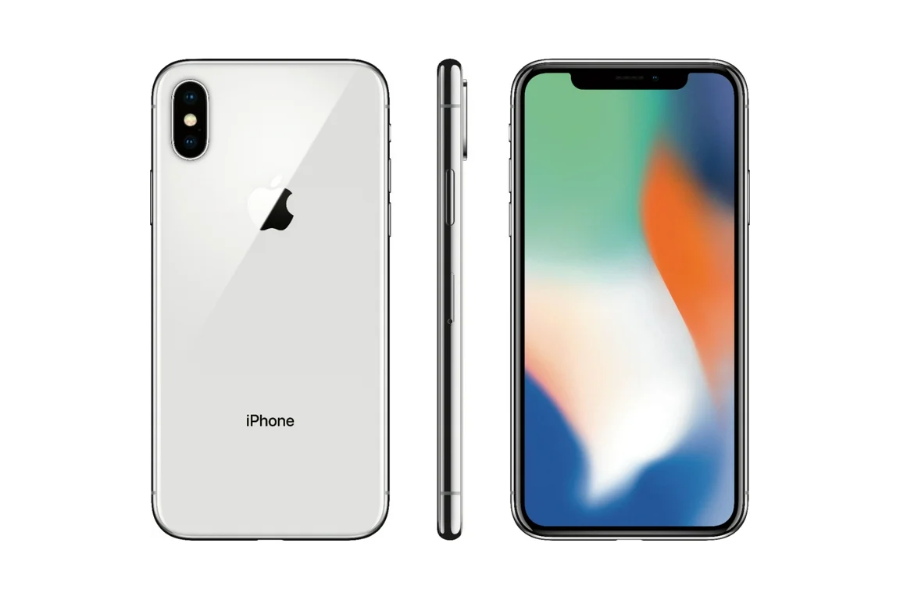
The iPhone X was a game-changer when it launched in 2017. As Apple’s first phone with Face ID and a nearly bezel-free OLED display, it ushered in a modern iPhone design language that remains in use today. In 2026, the iPhone X still appears in resale searches, especially for shoppers seeking a premium-feeling phone at a bargain price.
However, just because it resembles a modern iPhone doesn’t mean it performs like one. Before you consider buying a Certified Used or Refurbished iPhone X, it’s important to understand how old it is, whether it’s still supported by Apple, and if it’s truly worth your money in today’s market.
How Old Is the iPhone X in 2026?
The iPhone X was officially released in November 2017, making it about 9 years old in 2026. Apple has excluded it from newer iOS versions and limited the iPhone X to iOS 16, which was released in 2022.
While the iPhone X still feels modern in the hand thanks to its design, the internal hardware and software are significantly outdated by 2026 standards. The gap between its appearance and its actual capabilities is one of the biggest sources of confusion for buyers.
Is the iPhone X Still Supported by Apple?
No. Apple officially ended major iOS support for the iPhone X when it did not receive iOS 17 in 2023. This means the device no longer gets new features, system improvements, or long-term platform enhancements.
Apple does still release occasional security updates for older devices. For example, a security update was issued on Jan 26, 2025, providing limited protection for users still running older iOS versions.
However, without full iOS updates, the iPhone X:
- Misses out on new features and system enhancements
- Does not receive long-term, consistent security updates
- Faces increasing compatibility issues with modern apps
While these security patches offer temporary protection, they do not replace full iOS support. For most users, the iPhone X is effectively no longer supported within Apple’s ecosystem.
Current Price and Availability of iPhone X
According to UpTrade’s Price Tracker, Certified Used and Refurbished iPhone X models are now in very limited supply due to their age. Even when available, prices typically start around $130 or more, depending on condition and seller.
At first glance, that may sound like a good deal. However, both Certified Used / Refurbished iPhone 11 and iPhone 12 models have dropped to around $150+, which is only about $20 more.
For that small price difference, buyers get significantly better performance, longer software support, and more modern features. When viewed in that context, the iPhone X no longer makes sense as a value purchase.
Why We Don’t Recommend Buying the iPhone X
Even if you find a Certified Used or Refurbished iPhone X for around $130, it’s not a smart buy in 2026. The main reason is simple: Apple has stopped providing full iOS support. That means no new features, no regular long-term security updates, and increasing app compatibility issues.
The hardware is also showing its age. The A11 Bionic chip struggles with modern apps and multitasking demands, and battery life is a growing concern, as most units now have significantly degraded batteries.
On top of that, the iPhone X uses older Face ID technology, lacks 5G support, and is not compatible with MagSafe accessories. At $130+, you’re paying for a phone that feels behind in nearly every critical area — performance, security, and overall functionality.
iPhone X vs iPhone 11 vs iPhone 12
If you're on a budget and considering older iPhones, the iPhone 11 and iPhone 12 offer much better value than the iPhone X.
Specs Comparison
| Feature |
iPhone X |
iPhone 11 |
iPhone 12 |
| Release Year |
2017 |
2019 |
2020 |
| Chipset |
A11 Bionic |
A13 Bionic |
A14 Bionic |
| Display |
5.8-inch OLED |
6.1-inch LCD |
6.1-inch OLED |
| Camera System |
Dual 12MP |
Dual 12MP |
Dual 12MP |
| Face ID |
Yes (1st Gen) |
Yes |
Yes |
| 5G Support |
No |
No |
Yes |
| MagSafe |
No |
No |
Yes |
| Battery Life |
Below average |
Good |
Excellent |
| iOS Support in 2026 |
Limited |
Yes |
Yes |
| Starting Price (2026) |
~$130+ |
~$150+ |
~$150+ |
iPhone 11 (Starting at $150+)
The iPhone 11 comes with the A13 Bionic chip, which is significantly faster than the A11 found in the iPhone X. It includes Face ID, a dual-camera system, longer battery life, and ongoing iOS support in 2026. For roughly $10–$20 more than the iPhone X, it is a clear upgrade and a much safer long-term buy.
iPhone 12 (Starting at $150+)
The iPhone 12 adds 5G support, a sharper OLED display, a modern flat-edge design, and MagSafe compatibility. Powered by the A14 Bionic chip, it remains fast and efficient even in 2026. For roughly $20–$40 more than the iPhone X, the iPhone 12 offers a significantly longer usable lifespan.
iOS Support
Apple released iOS 26 for 2026. Both the iPhone 11 and iPhone 12 support iOS 26, while the iPhone X does not. For iPhones, running the latest version of iOS is critical for feature access, app compatibility, and security updates.
Recommendation
5G is the feature that clearly separates the iPhone 12 from both the iPhone 11 and iPhone X. Because Certified Used / Refurbished iPhone 12 models have dropped to the same price range as the iPhone 11, it makes sense to prioritize the iPhone 12 first.
Use UpTrade to search for the best deal on Certified Used or Refurbished iPhone 12 listings from trusted sellers.
Why Skipping the iPhone XS Makes Sense
You might be tempted by the iPhone XS since it’s newer than the iPhone X and still partially supported. However, in 2026, it is not a smart buy.
- End of Life: The iPhone XS has been excluded from iOS 26 and is limited to older iOS versions, signaling the end of full Apple support.
- Performance: The iPhone 11 and iPhone 12 offer newer chips, better battery life, and improved overall performance.
- Longevity: Buying an iPhone XS now means you’ll likely need to upgrade again soon.
At UpTrade, we recommend spending where it counts. The iPhone 11 and iPhone 12 provide significantly more future-proof value for nearly the same cost, which is why we suggest skipping both the iPhone X and iPhone XS in 2026.
Conclusion: Skip the iPhone X and Choose Something Newer
While the iPhone X was groundbreaking in 2017, it’s no longer a smart buy in 2026. Apple has ended major iOS updates for the iPhone X, and although it received a security patch in January 2026, that was likely the final breath of meaningful support. With aging hardware, weaker battery life, and limited resale value, the iPhone X simply doesn’t offer long-term reliability or modern features.
Instead, we strongly recommend looking at the Certified Used / Refurbished iPhone 12, which now starts at around $150+. If you can’t find a good deal on the iPhone 12, your secondary option should be the Certified Used / Refurbished iPhone 11. Both models are newer, faster, more secure, and still supported by Apple — delivering a significantly better iPhone experience for just a little more money.
FAQ: Buying a Used or Refurbished iPhone X in 2026
1. How much does a Certified Used iPhone X cost in 2026?
Certified Used or Refurbished iPhone X models typically start around $130. However, certified inventory is very limited due to the phone’s age.
2. Is the iPhone X still supported by Apple?
No. The iPhone X no longer receives major iOS updates. While it did receive a security patch in January 2026, that update is likely the last security support the device will receive.
3. Can I still use an iPhone X in 2026?
Technically yes, for basic tasks like calls, texts, and light app usage. However, performance limitations, battery degradation, and app compatibility issues make it a poor experience compared to newer models.
4. Why not buy the iPhone X if it’s cheaper?
The iPhone 11 and iPhone 12 typically cost only about $20 more and offer far better performance, battery life, camera quality, and longer iOS support. That makes the iPhone X a poor value in 2026.
5. What’s the best budget iPhone in 2026?
It used to be the Certified Used / Refurbished iPhone 11 at $150+, but since the iPhone 12 has dropped to the same price range, it is now the best budget iPhone in 2026. It also supports 5G, which the iPhone 11 does not.
6. Is it safe to buy a used iPhone X?
Only if it’s Certified Used from a trusted seller. Even then, we don’t recommend buying the iPhone X in 2026 due to outdated iOS support and limited long-term usability.
7. Why is the iPhone XS also not recommended?
Apple has excluded the iPhone XS from iOS 26, signaling the end of full software support. For that reason, we don’t recommend buying the iPhone XS in 2026.
8. When was the iPhone X discontinued?
Apple officially discontinued the iPhone X in September 2018, just one year after its release, when the iPhone XS and XR launched. While refurbished and used units were available afterward, production stopped early. By 2026, Certified Used units are increasingly rare, and even when available, they are no longer a smart buy due to the lack of iOS support.

 Sale
Sale