Introduction — Why People Are Still Considering the iPhone 8 Plus in 2026
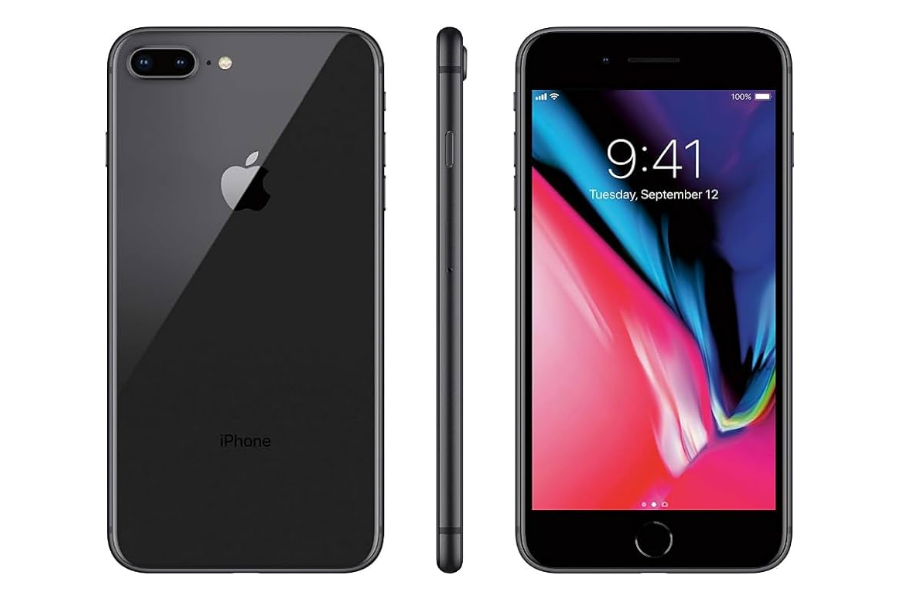
At first glance, the iPhone 8 Plus looks like a tempting deal in 2026. According to the UpTrade Price Tracker, Certified Used / Refurbished iPhone 8 Plus models now start around $120+, which is undeniably affordable by today’s standards.
For many buyers, the appeal is easy to understand:
- A large display compared to smaller budget phones
- Touch ID instead of Face ID
- A familiar, classic iPhone design
- A low upfront cost
On paper, the iPhone 8 Plus still checks a lot of boxes — especially for budget-conscious buyers who just want an iPhone that “gets the job done.”
However, in 2026, price alone doesn’t tell the full story. The real question isn’t whether the iPhone 8 Plus is cheap — it’s whether it’s still a smart buy given Apple’s software support policies and long-term security expectations.
Important Clarification: “Still Works” vs “Still Worth Buying”
Let’s clear up an important distinction right away.
Yes — the iPhone 8 Plus still works in 2026. It can power on, make calls, send texts, browse the web, and run many apps.
But “still works” is very different from “still worth buying.”
What actually matters in 2026 is:
- Whether the phone still receives iOS updates
- Whether it continues to get security patches
- Whether modern apps are still supported
- Whether it will remain usable for more than a year
This is where the iPhone 8 Plus starts to fall behind. Apple has already capped it at iOS 16, making it three full generations behind the latest iOS 26. Its last confirmed security update was iOS 16.7.12 in September 2025, and there is no guarantee Apple will continue issuing patches.
In other words, while the iPhone 8 Plus may function today, it is clearly approaching End of Life — and that matters a lot when you’re buying a phone in 2026.
Spending slightly more on a newer model like the iPhone 11, which still supports iOS 26, can dramatically change how long your phone stays secure, compatible, and useful.
iOS Software Support Status of the iPhone 8 Plus
The biggest reason the iPhone 8 Plus is no longer a good buy in 2026 comes down to software support.
The iPhone 8 Plus is capped at iOS 16. Apple has officially ended major iOS upgrades for this model, meaning:
- It cannot upgrade to iOS 26
- It will never receive new iOS features
- It is already multiple generations behind Apple’s current platform
The last known security update for the iPhone 8 Plus was iOS 16.7.12, released in September 2025. While Apple may still issue limited security patches, there is no guarantee this will continue throughout 2026.
This puts the iPhone 8 Plus in a risky position:
- It is three iOS generations behind the current release
- It is approaching End of Life
- Future security updates are uncertain and could stop at any time
When buying a phone in 2026, uncertainty around security updates is a major red flag — especially for a device you plan to use daily for calls, messages, banking, and online accounts.
What Happens When an iPhone Is Stuck on an Older iOS Version
Once an iPhone is locked to an older iOS version, the decline doesn’t happen all at once — it happens gradually, and then suddenly.
Common issues users experience include:
- Apps requiring newer iOS versions stop updating
- Banking, payment, and authentication apps may stop working
- Safari falls behind modern web standards
- Websites load incorrectly or fail entirely
- Security vulnerabilities increase over time
- Apple services and ecosystem features lose reliability
At first, everything may seem fine. But as more apps and services move to newer iOS requirements, usability drops faster than expected.
This is why buying an iPhone that’s already three generations behind is a poor long-term decision. Even if the phone works today, you’re paying for a device that is already on the downward slope of Apple’s support lifecycle.
In contrast, spending slightly more on a newer model that supports iOS 26 dramatically improves:
- Security
- App compatibility
- Longevity
- Overall value for money
Why We Don’t Recommend Buying the iPhone 8 Plus in 2026
Even though the iPhone 8 Plus looks affordable at around $120+ for a Certified Used or Refurbished unit, we don’t recommend buying it in 2026. The low price hides several long-term downsides that make it poor value for most buyers.
Here’s why.
1. It’s Already Approaching End of Life
The iPhone 8 Plus is capped at iOS 16, with its last confirmed security update (iOS 16.7.12) released in September 2025. With Apple now on iOS 26, the device is already three major iOS versions behind.
Apple may stop issuing security updates at any time. Buying a phone with uncertain security support is risky — especially in 2026, when phones are used for banking, authentication, payments, and personal data.
2. No iOS 26 Support = Rapid App Incompatibility
Because it cannot run iOS 26, the iPhone 8 Plus will:
- Miss new iOS features permanently
- Lose compatibility with newer apps faster
- Stop receiving app updates sooner than newer models
This isn’t a future problem — it’s already happening. Many app developers now require newer iOS versions to unlock features or maintain security compliance.
3. Security Risk Outweighs the Savings
Saving ~$30–$40 upfront is not worth:
- Increased exposure to security vulnerabilities
- Banking and payment apps potentially breaking
- Browsers falling behind modern web standards
Once security updates stop completely, the phone becomes unsafe for daily internet use, regardless of how well the hardware still works.
4. Poor Longevity for Buyers in 2026
When you buy a phone in 2026, you should expect multiple years of usable life. The iPhone 8 Plus simply can’t deliver that.
At best, it may last another year with partial functionality. At worst, it could lose critical app and security support much sooner. Either way, you’re likely to need another upgrade far earlier than expected — wiping out any short-term savings.
5. Better Options Exist for Just a Little More
For around $150+, you can get a Certified Used or Refurbished iPhone 11, which:
- Supports iOS 26
- Has years of security updates ahead
- Offers better performance and longevity
- Delivers far better value over time
In 2026, spending a little more upfront dramatically reduces risk and extends how long your phone stays useful.
Better Alternative: iPhone 11 vs iPhone 8 Plus
If you’re considering the iPhone 8 Plus in 2026 because of its low price, it’s worth looking at what just a small step up gets you. For about $30 more, a Certified Used / Refurbished iPhone 11 offers dramatically better longevity, security, and overall value.
Below is a clear, side-by-side comparison.
Specs Comparison — iPhone 11 vs iPhone 8 Plus
| Feature |
iPhone 8 Plus |
iPhone 11 |
| Release Year |
2017 |
2019 |
| Starting Price (Used / Refurbished) |
~$120+ |
~$150+ |
| Chipset |
A11 Bionic |
A13 Bionic |
| Display Size |
5.5-inch Retina HD |
6.1-inch Liquid Retina |
| Display Type |
LCD |
LCD |
| Battery Capacity |
~2,691 mAh |
~3,110 mAh |
| Biometric Security |
Touch ID |
Face ID |
| Rear Camera |
Dual 12MP (Wide + Telephoto) |
Dual 12MP (Wide + Ultra Wide) |
| Night Mode |
No |
Yes |
| 5G Support |
No |
No |
| Latest iOS Supported |
iOS 16 (capped) |
iOS 26 |
| Security Updates in 2026 |
Uncertain |
Yes |
| Software Longevity |
Near End of Life |
Multiple years remaining |
Key Differences That Matter in 2026
1. Software Support Is the Biggest Gap
The iPhone 8 Plus is capped at iOS 16, which is already three generations behind iOS 26. The iPhone 11, on the other hand, fully supports iOS 26 and will continue receiving security updates for years.
This single difference affects:
- App compatibility
- Security
- Long-term usability
In 2026, software support matters more than almost any other spec.
2. The iPhone 11 Actually Has a Bigger Screen
Despite losing the “Plus” name, the iPhone 11’s 6.1-inch display is larger than the iPhone 8 Plus’s 5.5-inch screen. You get more screen real estate for:
- Reading
- Browsing
- Streaming
- Daily productivity
3. Much Better Performance and Longevity
The A13 chip in the iPhone 11 is significantly more powerful and efficient than the A11 in the iPhone 8 Plus. This translates to:
- Smoother performance
- Better support for modern apps
- Longer usable lifespan
The iPhone 11 simply ages much more gracefully.
4. Camera and Everyday Features
The iPhone 11 adds features that still matter in 2026:
- Ultra-wide camera
- Night Mode
- Better image processing
- Improved video stabilization
While the iPhone 8 Plus camera is still usable, it feels dated by comparison.
5. The Price Difference Is Small — The Value Difference Is Huge
Paying ~$30 more for an iPhone 11 doesn’t just buy better hardware — it buys years of extra usability.
With the iPhone 8 Plus, you’re saving a little upfront but likely facing another upgrade much sooner. With the iPhone 11, you’re buying peace of mind.
6. Bigger Battery Means Better Real-World Battery Life
The iPhone 11 has a significantly larger battery than the iPhone 8 Plus — about 3,110 mAh vs 2,691 mAh. Combined with the newer, more power-efficient A13 chip, this translates into:
- Longer screen-on time
- Less battery drain during standby
- Better performance after battery health degrades over time
In 2026, battery health is especially important for Certified Used or Refurbished phones. A larger original battery gives the iPhone 11 more headroom, making it far more reliable for all-day use compared to the aging iPhone 8 Plus.
Conclusion — Is iPhone 8 Plus Worth Buying in 2026?
In 2026, the iPhone 8 Plus is no longer a smart buy — even at a seemingly attractive $120+ Certified Used / Refurbished price.
The issue isn’t the hardware. It’s the software.
The iPhone 8 Plus is capped at iOS 16, with its last known security update (iOS 16.7.12) released in September 2025. With Apple now on iOS 26, the device is already three generations behind, and future security updates are uncertain. That places it firmly on the edge of End of Life.
While the phone may still function today, buying it in 2026 means accepting:
- Limited remaining lifespan
- Increasing app incompatibility
- Growing security risks
- Poor long-term value
For just $30 more at $150+, a Certified Used / Refurbished iPhone 11 delivers:
- Full iOS 26 support
- Ongoing security updates
- A larger display
- Better performance
- A bigger battery and longer usable life
If you already own an iPhone 8 Plus, you may keep using it cautiously. But if you’re buying in 2026, it’s better to skip it entirely and choose the iPhone 11 that will stay secure and usable for years.
FAQ — Buying an iPhone 8 Plus in 2026
1. Is the iPhone 8 Plus still supported in 2026?
No. The iPhone 8 Plus does not support iOS 26 and is capped at iOS 16. While it received security updates through September 2025, future updates are uncertain.
2. What was the last security update for the iPhone 8 Plus?
As of this article's release date, the last confirmed security update was iOS 16.7.12, released in September 2025.
3. Can the iPhone 8 Plus run iOS 26?
No. The iPhone 8 Plus cannot upgrade beyond iOS 16.
4. Is the iPhone 8 Plus safe to use in 2026?
It may still work, but safety depends on whether Apple continues issuing security updates. Once updates stop, using the phone for banking, payments, or sensitive accounts becomes risky.
5. Why is buying an older iPhone risky in 2026?
Older iPhones lose iOS and security support, leading to app incompatibility, browser issues, and higher exposure to security vulnerabilities.
6. Is the iPhone 11 a better alternative in 2026?
Yes. The iPhone 11 supports iOS 26, receives ongoing security updates, has better performance, a larger display, and a bigger battery — all for only slightly more money.
7. What is the cheapest iPhone that supports iOS 26?
As of 2026, the iPhone 11 is one of the most affordable iPhone models that still supports iOS 26.
8. Should I buy the iPhone 8 Plus for a child or as a backup phone?
It may work for very basic use, but even as a secondary device, its limited software support makes it a poor choice compared to newer, safer alternatives.
9. Is it worth buying a Certified Used or Refurbished iPhone in 2026?
Yes — as long as it supports the latest iOS version. Certified Used or Refurbished newer models offer much better value and longevity.
10. What is the best value iPhone to buy in 2026?
The iPhone 11 offers the best balance of price, performance, software support, and long-term usability among budget-friendly options in 2026.

 Sale
Sale