Introduction — Is iPad Pro 11-inch 2nd Gen (2020) Worth Buying in 2026?
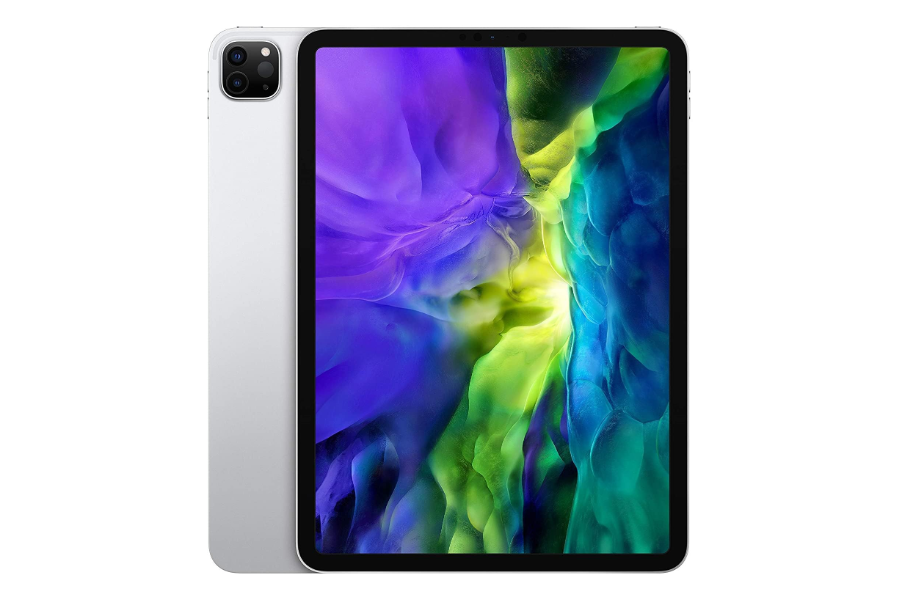
The iPad Pro 11-inch 2nd Generation (2020) was a powerful tablet when it launched, offering a 120Hz ProMotion display, premium design, and strong performance for its time. Fast-forward to 2026, and this model is now widely available in the Certified Used / Refurbished market — often at prices that look very attractive.
According to the UpTrade Price Tracker, Certified Used / Refurbished iPad Pro 11-inch 2nd Gen (2020) models start at around $430+. On paper, that seems like a solid deal for a Pro-branded iPad that still supports iPadOS 26.
However, price alone doesn’t tell the full story. In 2026, long-term value depends far more on chipset, software longevity, and how well a device will age over the next several years — not just what it can do today. And this is where the 2nd Gen begins to struggle.
Quick Verdict — Should You Buy the iPad Pro 11-inch 2nd Gen in 2026?
No — we do not recommend buying the iPad Pro 11-inch 2nd Gen (2020) in 2026.
While it still supports iPadOS 26 and performs well for everyday tasks, it is simply outclassed by a better option (3rd Gen, starting at $440+) that costs nearly the same.
Why buyers consider it:
- ProMotion 120Hz display
- Premium build quality
- Apple Pencil (2nd Gen) and Magic Keyboard support
- iPadOS 26 compatibility
Why we don’t recommend it:
- Powered by the older A12Z Bionic chip
- Shorter remaining lifespan compared to Apple Silicon iPads
- Limited multitasking and external display capabilities
- Nearly the same price as the M1-powered 3rd Gen
UpTrade takeaway:
When a much more future-proof iPad Pro 11-inch 3rd Gen is available for just $10 more, buying the 2nd Gen no longer makes sense in 2026.
What the iPad Pro 11-inch 2nd Gen Still Does Well
To be clear, the iPad Pro 11-inch 2nd Gen isn’t a bad device. Even in 2026, it still delivers a smooth and premium experience for many common use cases.
It continues to perform well for:
- Web browsing and media consumption
- Note-taking with Apple Pencil (2nd Gen)
- Office apps and light productivity
- Streaming and casual gaming
The 11-inch ProMotion display still looks excellent, and Apple’s build quality ensures the hardware itself ages well. For users upgrading from much older iPads, the 2nd Gen can still feel fast and responsive.
However, “still good” isn’t the same as “good value.” And this distinction matters a lot when spending over $400 on a refurbished device in 2026.
Performance & Hardware Limitations in 2026
The biggest limitation of the iPad Pro 11-inch 2nd Gen is its A12Z Bionic chip.
While the A12Z was impressive in 2020, Apple’s software ecosystem has clearly shifted toward Apple Silicon (M-series) optimization. Newer features, multitasking improvements, and professional apps increasingly run best — and sometimes exclusively — on M-series hardware.
In practical terms, this means:
- Multitasking feels more constrained compared to M1 iPads
- External display support is limited
- Pro apps don’t scale as well under load
- Performance will age faster over the next few years
The device still feels smooth today, but it is already closer to the end of its performance curve than the beginning.
Better Alternative — iPad Pro 11-inch 3rd Gen (2021)
If you’re considering the iPad Pro 11-inch 2nd Gen (2020) mainly because of its $430+ Certified Used / Refurbished price, there’s a far better option that costs almost the same but delivers significantly more long-term value.
According to the UpTrade Price Tracker, Certified Used / Refurbished iPad Pro 11-inch 3rd Gen (2021) models start at around $440+. That roughly $10 price difference is negligible — but the difference in performance, longevity, and future-proofing is substantial.
This is where the 2nd Gen stops being a smart buy in 2026.
Specs Comparison — iPad Pro 11-inch 2nd Gen (2020) vs 3rd Gen (2021)
| Feature |
iPad Pro 11-inch 2nd Gen (2020) |
iPad Pro 11-inch 3rd Gen (2021) |
| Release Year |
2020 |
2021 |
| Chipset |
A12Z Bionic |
Apple M1 |
| Performance Class (2026) |
Good, but aging |
Excellent, Apple Silicon |
| Display |
11" Liquid Retina, 120Hz ProMotion |
11" Liquid Retina, 120Hz ProMotion |
| RAM |
6GB |
8GB (base models) |
| Storage Options |
128GB–1TB |
128GB–2TB |
| Apple Pencil Support |
Apple Pencil (2nd Gen) |
Apple Pencil (2nd Gen) |
| Keyboard Support |
Magic Keyboard |
Magic Keyboard |
| USB Port |
USB-C |
Thunderbolt / USB-4 |
| External Display Support |
Limited |
Much stronger |
| Connectivity |
Wi-Fi 6 / LTE |
Wi-Fi 6 / 5G |
| Latest iPadOS Supported |
iPadOS 26 |
iPadOS 26 |
| Expected Longevity |
Shorter |
Significantly longer |
| Typical Price (2026) |
~$430+ |
~$440+ |
Key Differences That Matter in 2026
Apple Silicon vs A-Series (Biggest Difference)
The M1 chip in the iPad Pro 11-inch 3rd Gen is the single most important upgrade. While the A12Z was powerful in its time, Apple’s iPadOS roadmap has clearly shifted toward Apple Silicon optimization.
In real-world use:
- The 3rd Gen feels faster and smoother under sustained workloads
- Multitasking is noticeably more fluid
- Pro and creative apps scale better
- Performance remains consistent over time
Choosing the A12Z-powered 2nd Gen when an M1 iPad Pro is available for nearly the same price simply doesn’t make sense in 2026.
Performance & Multitasking
For light tasks, both iPads feel responsive. But once you push the device — split-screen multitasking, external displays, creative apps, or extended productivity — the M1 advantage becomes obvious.
The iPad Pro 11-inch 3rd Gen is much better suited for:
- Laptop-style workflows
- Heavy multitasking
- Creative and professional applications
- Long daily work sessions without slowdown
Connectivity & I/O
The 3rd Gen introduces Thunderbolt / USB-4, which significantly expands what you can do with the device:
- Faster data transfer
- Better external display support
- More capable docking and accessory setups
By comparison, the 2nd Gen’s standard USB-C port already feels limiting in 2026.
Longevity & Software Support
Both models support iPadOS 26, but their futures are very different.
Because the 3rd Gen uses Apple Silicon, it is expected to receive:
- Major iPadOS updates for longer
- Better long-term app compatibility
- Higher resale value
The 2nd Gen, while still supported today, is much closer to the end of its practical lifespan.
Value Comparison — The $10 Decision
This is the simplest part of the decision:
- 2nd Gen (2020): ~$430+
- 3rd Gen (2021): ~$440+
For roughly $10 more, you get a dramatically more capable and future-proof iPad Pro.
Final Verdict — Is the iPad Pro 11-inch 2nd Gen (2020) Worth Buying in 2026?
No — we do not recommend buying the iPad Pro 11-inch 2nd Gen (2020) in 2026. Skip it and buy the iPad Pro 11-inch 3rd Gen (2021) for nearly the same price.
At first glance, the Certified Used / Refurbished starting price of around $430+ looks reasonable, especially since the device still supports iPadOS 26 and offers a premium ProMotion display. However, once you look beyond surface-level specs, the value proposition quickly falls apart.
The core issue is simple: for roughly $10 more, you can buy the iPad Pro 11-inch 3rd Gen (2021) with Apple’s M1 chip. That small price difference delivers a massive upgrade in performance, multitasking, connectivity, and long-term software support.
Compared to the iPad Pro 11-inch 3rd Gen (2021), the 2nd Gen’s A12Z Bionic chip is already aging, will receive fewer future optimizations, and will reach the end of its practical lifespan much sooner. In 2026, spending over $400 on an iPad Pro that is clearly outclassed by a near-identical-priced alternative does not make sense.
FAQs — iPad Pro 11-inch 2nd Gen (2020) in 2026
1. Is the iPad Pro 11-inch 2nd Gen still good in 2026?
Yes, it is still capable of handling everyday tasks like browsing, streaming, note-taking, and light productivity. However, being “still good” is not the same as being a good value compared to newer alternatives.
2. Does the iPad Pro 11-inch 2nd Gen support iPadOS 26?
Yes. The iPad Pro 11-inch 2nd Gen supports iPadOS 26 and continues to receive security updates and app compatibility as of 2026.
3. How long will the iPad Pro 11-inch 2nd Gen be supported?
Apple does not publish exact timelines, but the 2nd Gen is expected to receive fewer future iPadOS updates than M-series iPads. Its remaining support window is shorter than the 3rd Gen and later models.
4. Is the A12Z Bionic still fast in 2026?
The A12Z is still usable for everyday tasks, but it is noticeably behind Apple Silicon chips. Multitasking, external display support, and professional apps perform better on M1-powered iPads.
5. Should I buy the iPad Pro 11-inch 2nd Gen or 3rd Gen?
You should buy the iPad Pro 11-inch 3rd Gen (2021). For about $10 more, it offers the M1 chip, Thunderbolt support, better multitasking, and a much longer usable lifespan.
6. Is the iPad Pro 11-inch 2nd Gen worth $430+?
Not in 2026. While the price seems fair in isolation, it becomes poor value when a significantly better iPad Pro is available at nearly the same price.
7. Is it safe to buy a refurbished iPad Pro 11-inch 2nd Gen?
Yes — from a hardware standpoint, Certified Used or Refurbished units are generally safe when purchased from trusted sellers. The concern is not safety, but long-term value and longevity.
8. Who should still consider the iPad Pro 11-inch 2nd Gen?
Only buyers who find it at a substantially lower price than the iPad Pro 11-inch 3rd Gen (2021) might consider it. At current pricing levels, most buyers should skip it entirely.
9. What year is the iPad Pro 11 inch 3rd generation?
The iPad Pro 11-inch 3rd Gen (2021) was released in 2021. The 2nd Gen was released in 2020, and the 4th Gen was released in 2022.
10. What generation is the iPad Pro 11 inch 2021?
The iPad Pro 11-inch 2021 model is the 3rd Generation. The 2nd Gen was released in 2020, and the 4th Gen was released in 2022.

 Sale
Sale